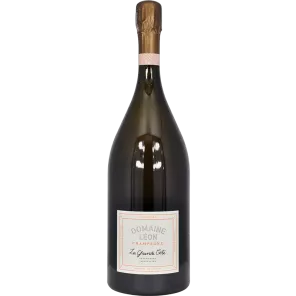
Nothing but white grapes, with Chardonnay taking the lead: Blanc de Blancs Champagne emphasizes tension and aging potential. Compare the briny Grand Cru from Avize at Agrapart with the fuller-bodied Montgueux from Jacques Lassaigne.
Blanc de Blancs Champagne: White Grapes and Chalky Terroirs
Blanc de Blancs has a reputation as an aperitif champagne—light and easy to drink. Yet it is one of the champagnes that ages best, a true wine for cellaring. It is made exclusively from white grapes, primarily Chardonnay. Some winemakers add other authorized white grape varieties, which have become rare.
Two chalk terroirs produce its greatest expressions:
- The Côte des Blancs, south of Épernay: Avize, Cramant, Oger, and Le Mesnil-sur-Oger classify their Chardonnay as Grand Cru. These are crisp, briny wines.
- Montgueux, in the Aube department, near Troyes: a chalky hill that produces a riper Chardonnay.
In both cases, the chalk does the work. It stores water in the winter and releases it to the vines drop by drop in the summer: the grapes ripen without losing their acidity. When young, the wine offers notes of lemon and white flowers, finishing with a briny note. After five to ten years in the cellar, it develops notes of brioche, hazelnut, and toasted almond.
Did you know? Champagne allows seven grape varieties, not three. Alongside Chardonnay, Pinot Noir, and Meunier, Pinot Blanc, Pinot Gris, Arbane, and Petit Meslier now account for only a tiny fraction of the vineyard.
What dishes pair well with a Blanc de Blancs?
Blanc de Blancs truly shines at the table. Its freshness and brininess make it a natural pairing for seafood:
- Oysters, shellfish, and seafood: the classic pairing, where the Chardonnay’s crispness complements the briny notes.
- Sashimi, sushi, and tartares: its liveliness complements raw meats without overpowering them.
- Delicate fish and creamy risotto: sea bass, turbot, sole, or a citrus risotto.
- Aperitifs and gougères: a lively, low-sugar cuvée is the perfect way to start a meal.
- Hard cheeses: 12-month-aged Comté, Beaufort, Parmesan.
To choose the right pairing, consider the terroir. A taut, briny cuvée, such as Avize, calls for iodine-rich flavors and fresh seafood. A fuller-bodied cuvée, such as Montgueux or one that’s been aged for a long time, pairs well with fish in sauce or poultry.
Our Blancs de Blancs from Small Producers
The selection primarily features winemakers who cultivate their vineyards and produce wine plot by plot, along with a few houses such as Jacquesson. It spans from the Côte des Blancs to the Aube, passing through the hills south of Épernay and the Montagne de Reims. Vouette & Sorbée, Olivier Horiot, and JM Sélèque, among others, produce organic or biodynamic wines.
Avize and the Côte des Blancs
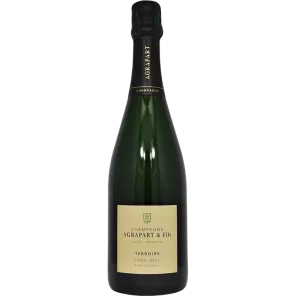
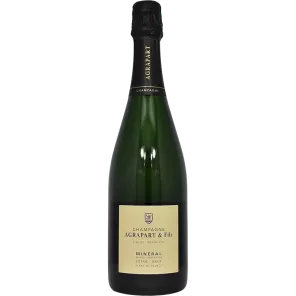
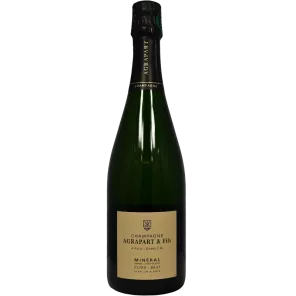
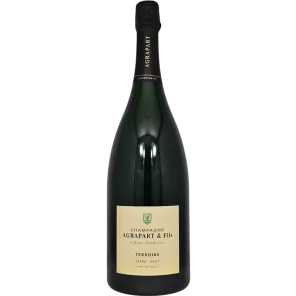
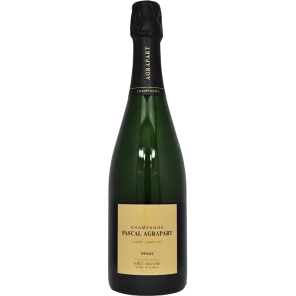
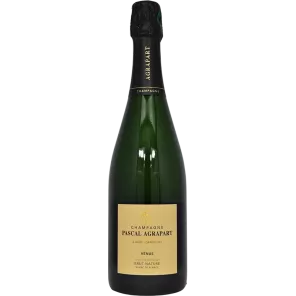
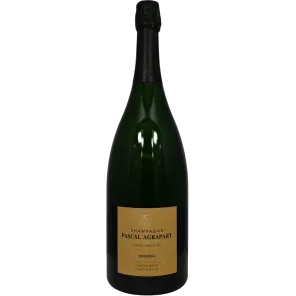
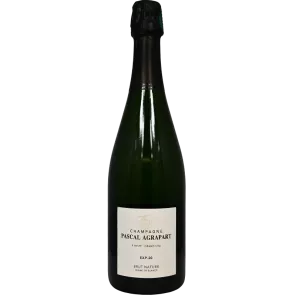
- Agrapart (Avize): Grands Crus with low dosage, from Avize to Oger. “Terroirs” leads the lineup; “Minéral” and “Vénus”—named after the mare that plows the plot—are meant for aging.
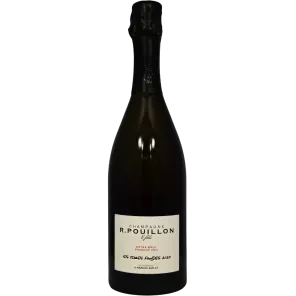
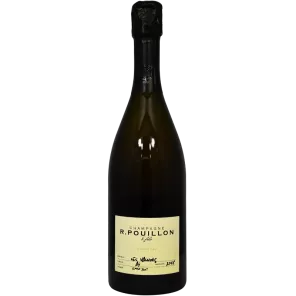
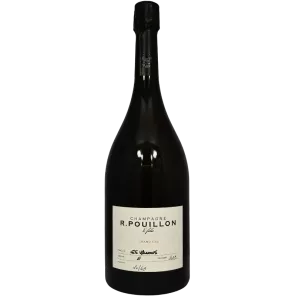
- R. Pouillon & Fils (Mareuil-sur-Aÿ): The estate sources its Les Valnons cuvée from Avize—a straightforward and deep Grand Cru extra-brut.
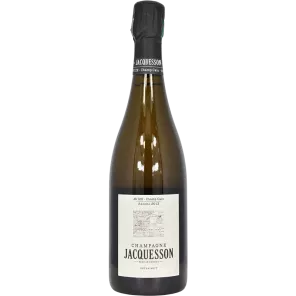
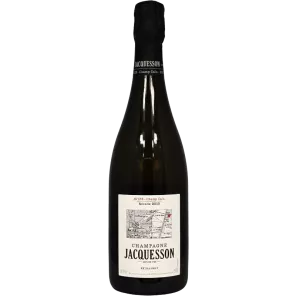
- Jacquesson (Dizy): Founded in 1798, the house produces Avize Champ Caïn, a blanc de blancs from a single lieu-dit, produced in small quantities.
Montgueux and the Côte des Bar
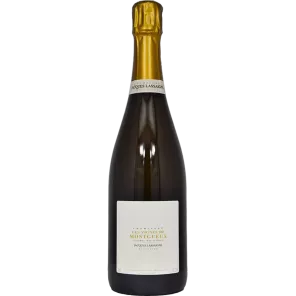
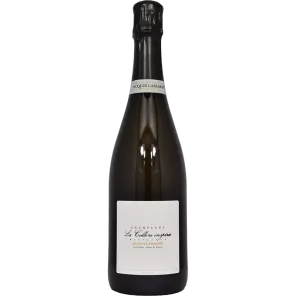
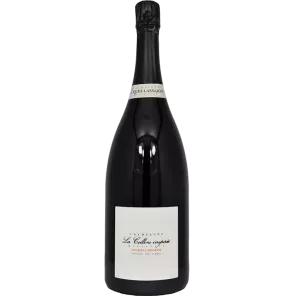
- Jacques Lassaigne (Montgueux): ripe Chardonnays with notes of white peach and pear, and a lively finish. Start with Les Vignes de Montgueux, then move on to La Colline Inspirée.
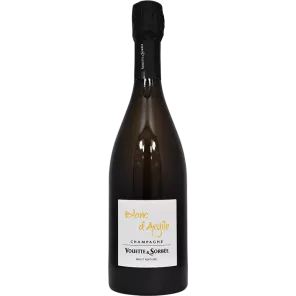
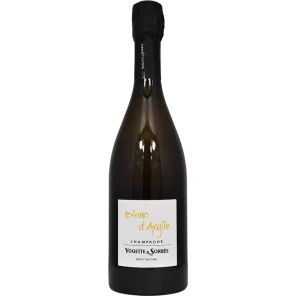
- Vouette & Sorbée (Buxières-sur-Arce): Produced biodynamically, “Blanc d’Argile” is a Chardonnay planted on clay—hence its name—and vinified as a brut nature.
- Olivier Horiot (Les Riceys): His 2018 Petit Meslier, a brut nature, offers a taste of one of Champagne’s rarest grape varieties.
Pierry and Chavot, south of Épernay
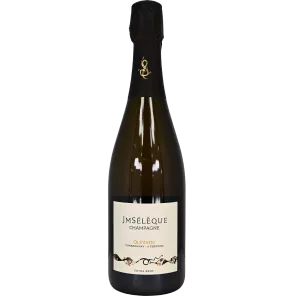
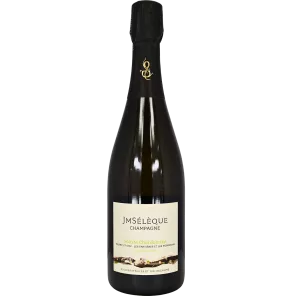
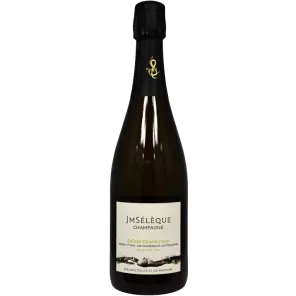
- JM Sélèque (Pierry): organically farmed vineyards; Quintette, a blend of Chardonnay from five villages; and the Soliste series, featuring one vineyard plot per cuvée.
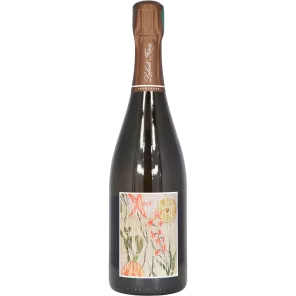
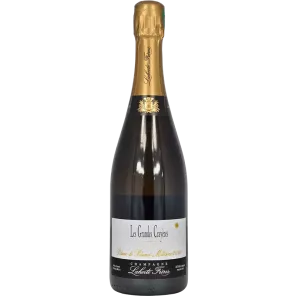
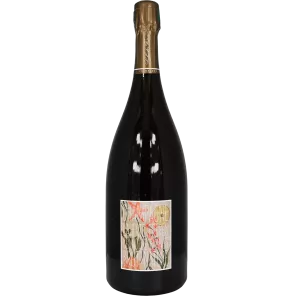
- Laherte Frères (Chavot): a Blanc de Blancs Brut Nature, also available in magnum bottles, and Les Grandes Crayères, a Chardonnay from Chavot.
Montagne de Reims
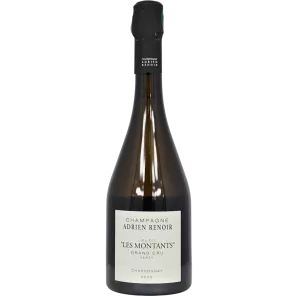
- Adrien Renoir (Verzy): in Pinot Noir country, he produces Les Montants, a Blanc de Blancs Grand Cru.
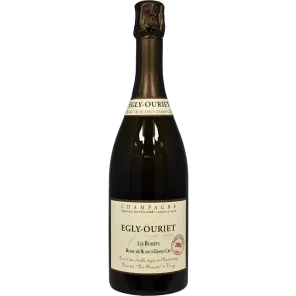
- Egly-Ouriet (Ambonnay): Les Bussets, a Blanc de Blancs Grand Cru, from an estate best known for its Pinot Noirs.
How to Choose Your Blanc de Blancs Champagne?
Not all Blanc de Blancs are alike. The terroir, dosage, and aging process create very distinct profiles. Here’s a simple guide to help you navigate your choices.
Not all Blanc de Blancs are alike: the terroir, dosage, and aging create very distinct profiles. Here are a few guidelines depending on what you’re looking for:
- Tension and minerality: lemon, chalk, and a salty finish. Agrapart Terroirs or Pouillon Les Valnons, in Avize.
- Full-bodied: ripe white fruit and roundness, from Jacques Lassaigne in Montgueux.
- Best value for money: Laherte’s Brut Nature (€44.50) or Lassaigne’s Les Vignes de Montgueux (€45.90).
- A blend of terroirs: Quintette by JM Sélèque, five villages in a single bottle.
- A rare grape variety: the 2018 Petit Meslier from Olivier Horiot.
- A cuvée for aging: Agrapart Minéral or Jacquesson Avize Champ Caïn, for their complexity and length.
Two dosage benchmarks. A Brut Nature Champagne receives no dosage at bottling: it contains less than 3 grams of sugar per liter, making it dry and crisp. An Extra-Brut Champagne has a minimal dosage, under 6 grams per liter, which barely rounds out the edges. These are the two styles most prominently featured in our selection of Blancs de Blancs.
Whether for a dinner party or as a gift, several cuvées are available in magnum bottles—a size that allows the wine to age more slowly and better preserve its freshness.
Blanc de Blancs or Blanc de Noirs: What Sets Them Apart
Blanc de Blancs is made from white grapes. Blanc de Noirs is made from Pinot Noir and Meunier—black grapes with white flesh—gently pressed to preserve a clear juice. One emphasizes liveliness and length, while the other highlights roundness and ripe fruit. When paired with roasted poultry or aged cheese, Blanc de Noirs often has the edge.
 en / €
 Contact