From Provence to Corsica, these wines reflect the diversity of Mediterranean terroirs: gourmet rosés, fresh and briny whites, structured reds, and cuvées influenced by the maquis. From Bandol to Patrimonio, Mundovin selects wine estates committed to expressing their terroir.
Our Mundovin Selection from Provence and Corsica
In Provence and Corsica, Mundovin supports artisan winemakers, most of whom are committed to organic or biodynamic farming. These two Mediterranean wine regions—one bordering the Mediterranean Sea, the other nestled in its heart—share a common refusal to take the easy path or succumb to standardization. Here, terroir takes precedence over trends and the clichés of pale rosés, overly bold reds, and soulless whites.
In Provence:
- Domaine Tempier (Bandol): a legendary Mourvèdre wine estate, the beating heart of Bandol, where the Peyraud family played an active role in establishing the appellation. Rosés for fine dining and great reds for aging.
- Domaine de Terrebrune (Bandol): reds, rosés, and whites—these great organic wines from Bandol are born on a terroir renowned for its Triassic limestone, which gives them a unique mineral depth. A landmark of the Provençal vineyards!
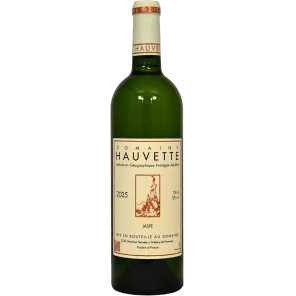
- Hauvette wine estate (Baux-de-Provence): biodynamic winemaking, a love of nature, and single-vineyard cuvées renowned worldwide. Dominique Hauvette, a former ski instructor who became a winemaker by vocation, was named Winemaker of the Year 2020 by *Revue des Vins de France*. A well-deserved honor for this discreet yet indispensable figure in the Provençal wine revival.
- Clos Cibonne (Côtes de Provence, Cru Classé): organic, a historic benchmark for the Tibouren grape variety, featuring the Tradition and Prestige Caroline cuvées.
- Henri Milan (Saint-Rémy-de-Provence): reds and whites with character and a distinct style.
- Domaine de Triennes (IGP Méditerranée): approachable cuvées offering excellent value for enjoyment. Our recommendation for summer evenings with friends!
- Château de Pibarnon ( Bandol): a historic benchmark for the appellation, nestled on the heights of La Cadière-d’Azur, where Triassic soils allow Mourvèdre to develop rare depth. Reds with great aging potential, a rosé perfect for fine dining, and an exclusive white.
- Domaine de Trévallon (IGP Alpilles): Founded in 1973 in Les Baux-de-Provence by the self-taught Eloi Dürrbach, who turned it into one of the leading pioneers of natural wine—long before the term even existed. Organic and biodynamic viticulture, whole-bunch harvesting, indigenous yeasts, and no filtration: this philosophy of minimal intervention has inspired an entire generation of winemakers beyond Provence and has earned the wine estate an international reputation that shows no signs of waning. The story continues today through Ostiane and Antoine Dürrbach.
In Corsica:
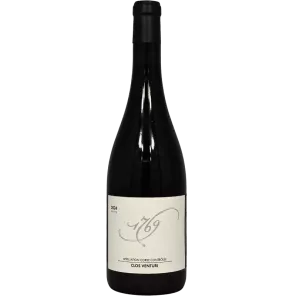
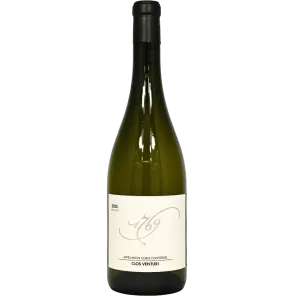
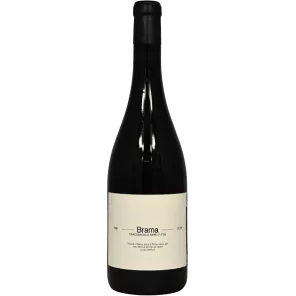
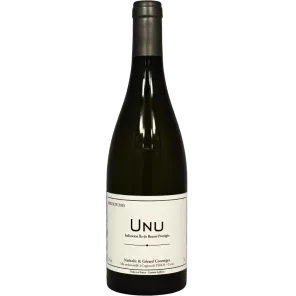
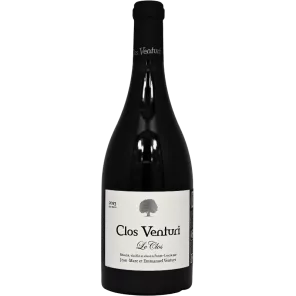
- Clos Venturi: biodynamic winemaking, signature 1769 cuvées, Brama (Sciaccarellu, Carcaghjolu Neru, Biancu Gentile), and Le Clos in red, white, and rosé.
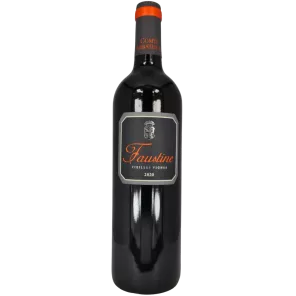
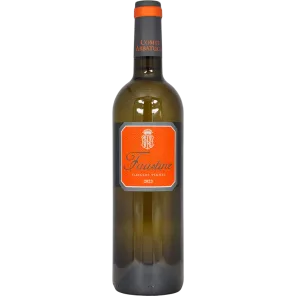
- Comte Abbatucci: a long-standing estate in the Ajaccio vineyards, guardian of native grape varieties, practicing fully biodynamic viticulture. The Faustine Vieilles Vignes cuvée, available in three colors, is a wonderful introduction to the identity of this island vineyard.
- Vaccelli wine estate: organic, passed down from father to son since 1960 in the Taravo Valley, where the granite soils lend the Sciaccarellu and Vermentinu profiles of purity and freshness, a far cry from the appellation’s usual standards.
Wines of Provence
The Provençal vineyards stretch across steep, sun-drenched slopes for nearly 200 kilometers, from Nice to the south of Avignon, in the Provence-Alpes-Côte d’Azur region. It is too often reduced to its 90% production of rosé wines, overlooking the fact that it is also home to great reds and great terroir-driven whites, spread across the nine main appellations.
The Grape Varieties of Provence
Like the Languedoc and the Southwest, Provence is first and foremost a land of blends. For reds, Grenache Noir, Syrah, and Mourvèdre form a holy trinity, complemented by local grape varieties such as Cinsault and the little-known Tibouren.
Red Grape Varieties:
- Grenache: the predominant grape variety in Provençal rosés and reds, recognizable by its powerful red fruit aromas, roundness, and warmth.
- Cinsault: a grape variety known for its finesse and freshness, a mainstay of fine-dining rosés.
- Mourvèdre: the king of Bandol, whose structure and density give it exceptional aging potential.
- Syrah: a cornerstone of the Rhône Valley, it brings tension and depth to Provençal blends, with particularly recognizable notes of noble spices.
- Tibouren: a typically local and little-known grape variety, which Clos Cibonne has made its specialty with its full-bodied and complex rosé cuvées.
- Cabernet Sauvignon: found in certain blends, particularly at Domaine de Trévallon in Les Baux-de-Provence.
White grape varieties:
- Rolle: Also known as Vermentino, Rolle is the leading white grape variety in Provence. Its profile, characterized by citrus notes and noble bitterness, rivals the complexity found in the diverse terroirs of the Mediterranean region.
- Clairette: a historic Provençal grape variety whose floral and structured character makes it suitable for both blending and producing single-varietal cuvées.
- Ugni Blanc, Grenache Blanc, Bourboulenc, Sémillon: though present in smaller quantities, these varieties are found in varying proportions in most white blends.
The Appellations of Provence
- AOP Côtes de Provence: the largest appellation, the queen of rosé. It encompasses several geographical designations: Sainte-Victoire, La Londe, Pierrefeu, Fréjus, and Notre-Dame des Anges.
- AOP Bandol: an iconic appellation and the kingdom of Mourvèdre. Often associated with rosés, which account for about 70% of its production, this largely mountainous vineyard—cultivated on terraces—produces structured reds, built for aging, and fine white wines perfect for fine dining.
- AOP Baux-de-Provence: Famous for its limestone quarries and the majestic castle perched on the heights of the town of the same name, this appellation is best known for its dense reds, full-bodied rosés, and exceptional whites. Having become one of the very few appellations to claim full organic status, it has completely banned the use of herbicides.
- AOP Coteaux d’Aix-en-Provence: On the limestone terroirs around Aix, this stony vineyard is protected from the force of the Mistral by its proximity to the Luberon. This unique climate produces supple, fruity red wines, elegant rosés, and rare cuvées.
- AOP Coteaux Varois en Provence: In the heart of the Var, this limestone terroir is renowned for its rugged terrain and its contrasting climate between the very sunny south and the cooler north. More than 90% of its production is dedicated to rosé, whose rich and fruity profile is particularly appreciated.
- AOP Cassis: West of Bandol, this small appellation—dedicated primarily to white wines —owes its reputation to its vineyard plots planted directly by the sea, overlooking the calanques. The salt that settles on the grapes gives the wines their characteristic briny profile.
- AOP Palette: Though the smallest appellation in Provence, the exclusive Palette cultivates no fewer than twenty-five different grape varieties. Following in the footsteps of Les Baux-de-Provence, Palette has banned a large number of pesticide treatments since 2024.
- AOP Bellet: A tiny appellation in the hills of Nice, encircling the city of Nice itself, it is distinguished by grape varieties that are extremely rare in the region: Fuella Nera and Braquet.
- AOP Coteaux de Pierrevert: the northernmost of them all. Located at the junction of the Alps and the Mediterranean region, its predominantly continental climate alternates between scorching summers and freezing winters.
The Classified Growths of Provence
Provence has 18 Crus Classés, all located within the Côtes de Provence region, recognized by a 1955 decree. This official hierarchy is unique among the southern appellations—neither Languedoc nor the Rhône Valley can claim such a distinction.
Among these 18 historic Classified Growths is Clos Cibonne, whose work with the Tibouren grape over generations has produced full-bodied and complex rosés—a far cry from pale, standardized rosés. The Cuvée Prestige Caroline is the most accomplished expression of this style.
Wines of Corsica
Corsica cultivates its vineyards just as it lives: between the sea and the mountains. The maquis fills the air with its fragrance all the way to the vine rows; the Libecciu, the Tramontane, and the Sirocco shape the stunted yet resilient vines, and the soils—granitic in the south, schistose in the north—hold the memory of this vineyard, one of the oldest in France. Spanning 7,000 hectares, from Cap Corse to Bonifacio, this diverse landscape is reflected in the rich array of grape varieties on the “Island of Beauty,” inherited in part from Italy: the grape varieties are almost all indigenous and often found nowhere else.
Corsican Grape Varieties
Reflecting the island’s turbulent history, several Corsican grape varieties are direct cousins of Tuscan varieties—a reminder of a Genoese heritage that geography and the vicissitudes of history have never erased.
Red grape varieties:
- Niellucciu: the king of Patrimonio and a cousin of the Tuscan Sangiovese; its powerful structure and tannins ensure remarkable aging potential.
- Sciaccarellu: the flagship grape of theAjaccio vineyards, whose natural acidity and spicy profile produce elegant, surprisingly refined wines.
- Carcaghjolu Neru: a rare indigenous grape variety, revived by a handful of passionate winemakers, including Clos Venturi.
- Grenache, Syrah, Mourvèdre, Cinsault, Carignan: directly influenced by the proximity to the vineyards of Provence, these varieties are included in certain blends.
White grape varieties:
- Vermentinu: the island’s leading white grape variety, aromatic and briny. Its fresh, floral, and mineral character makes it particularly well-suited for single-varietal winemaking.
- Biancu Gentile: the quintessential indigenous and exclusive grape variety, it was narrowly saved from extinction. It produces complex, textured white wines.
- Small-Grained Muscat: the iconic grape variety of Muscat du Cap Corse, a naturally sweet wine renowned for its aromatic palette of ripe fruits.
Corsican appellations
- AOP Patrimonio: Around Saint-Florent, on limestone soils. Great age-worthy Niellucciu reds, Vermentinu whites, and Muscats.
- AOP Ajaccio: in the southwest of the island, around the capital. Home of Sciaccarellu. Elegant and distinguished reds, of which Comte Abbatucci is the benchmark.
- AOP Corse or Vin de Corse: a regional appellation divided into five local designations: Calvi, Coteaux du Cap Corse, Figari, Porto-Vecchio, and Sartène. Reds, whites, and rosés with a wide range of styles.
- AOC Muscat du Cap Corse: a traditional naturally sweet wine made from the Muscat à petits grains grape.
How to choose a wine from Provence or Corsica?
Here are a few guidelines to help you navigate the selection:
- A rosé for fine dining: a Bandol rosé from Tempier or Domaine de Terrebrune, a Tibouren from Clos Cibonne, or the 1769 rosé from Clos Venturi.
- An approachable and enjoyable rosé: a rosé from Triennes or the Faustine cuvée from Domaine Comte Abbatucci.
- A Mediterranean red with aging potential: a red Bandol from Tempier or Domaine de Terrebrune, the Clos Venturi red, or the red cuvée from Domaine de Trévallon.
- A distinguished red from Corsica: a single-vineyard cuvée from Domaine de Vaccelli.
- A Mediterranean white: Clairette, Jaspe, or Dolia from Dominique Hauvette; Biancu Gentile from Clos Venturi; or the surprising white Bandol from Tempier.
- Discover a native grape variety: Tibouren in Provence, Sciaccarellu, or Biancu Gentile in Corsica.
Food and Wine Pairings from Provence and Corsica
Wines from Provence:
- Gourmet rosé (Bandol, Côtes de Provence): grilled seafood, traditional Provençal cuisine (aioli, Niçoise salad, bouillabaisse…)
- Red Bandol: game, grilled red meats, roasted vegetables
- Red Baux-de-Provence: Alpilles lamb, grilled meats, ratatouille, vegetable tian
- White Cassis: sea urchins, shellfish, raw fish, seafood dishes.
Wines from Corsica:
- Patrimonio red (Niellucciu): wild boar, game, Corsican cured meats (coppa, lonzu), sheep’s milk cheeses
- Ajaccio red (Sciaccarellu): roasted kid, veal, cured meats, pork pluma
- Vermentinu: red mullet, lobster, capon, aziminu (Corsican fish soup)
- Muscat du Cap Corse: brocciu passu, fiadone, citrus desserts.
What are the best wines from Provence?
Provence produces rosés, as well as age-worthy reds and white wines for fine dining. Bandol, Les Baux-de-Provence, and the Côtes de Provence offer a variety of styles, with wine estates such as Tempier, Pibarnon, and Clos Cibonne.
What are the best wines from Corsica?
Corsican wines stand out for their native grape varieties and island terroirs. Clos Venturi, Comte Abbatucci, and Domaine de Vaccelli are among the must-try wines.
What’s the difference between a classic rosé and a dining rosé?
More structured, full-bodied, and complex, a food-pairing rosé is designed to accompany a meal, while a classic rosé is generally enjoyed younger and as an aperitif. Bandol rosé and the Tibourens from Clos Cibonne are good examples.
 en / €
 Contact