It’s impossible to reduce Bordeaux wines to just its most famous labels: 60 appellations, two banks of the river, from the round Merlot of Pomerol to the Cabernet Sauvignon of Pauillac. The Mundovin selection brings together as many artisan winemakers as it does exceptional Grands Crus Classés.
What Makes Bordeaux Unique
Some wine regions can be explored in a single day; others take a lifetime. Bordeaux belongs to the latter category. Spanning just a few dozen square kilometers, the region boasts a consistent climate, a geology that shifts with every bend in the river, 60 appellations, and half a millennium of expertise.
The climate, first and foremost, is consistent: a temperate oceanic climate, with mild winters, humid springs, and warm summers without extremes. A long growing season gives the grapes time to develop aromatic complexity. The soil, on the other hand, changes with every bend in the river. Quaternary gravel on the terraces of the left bank, asteriate limestone on the Saint-Émilion plateau, blue clay at the foot of the hills in Pomerol, ancient sand in the Graves, and Agenais molasse in the Côtes de Bourg. Each plot leaves its own signature in the glass.
This geological mosaic corresponds to a division into subregions with distinct identities. The left bank (Médoc, Graves, Sauternais) favors Cabernet Sauvignon and produces structured reds, tailor-made for aging. The right bank (Saint-Émilion, Pomerol, Fronsac, Castillon Côtes de Bordeaux, Côtes de Bourg) gives pride of place to Merlot , and produces reds that are more full-bodied and immediately appealing.The Entre-Deux-Mers region, nestled between the Garonne and Dordogne rivers, is renowned for both its lively dry whites and its rich, full-bodied reds.
Add to this the classifications (1855, Crus Bourgeois, Saint-Émilion, Graves), which provide a framework for understanding a wine region comprising more than 60 appellations. They offer reassurance, establish a hierarchy, and sometimes cause frustration. They tell only part of the story: that of the big names and prestigious houses. Today, the vibrant world of Bordeaux plays out just as much in the Côtes as it does in Pauillac.
The Mundovin Selection of Bordeaux Wines
At Mundovin, the Bordeaux adventure begins on the right bank and in the Côtes, where the winemakers who are shaping the region today are at work. These are terroir-driven wines —often certified organic, and sometimes biodynamic —that extend this approach all the way through the winemaking process. A few historic grands crus round out the selection for connoisseurs of wines with long aging potential.
Château Le Puy, in the Francs Côtes de Bordeaux region, embodies this philosophy. The Amoreau family has been cultivating its land there continuously since 1610 using certified biodynamic methods. The vines have never been treated with any pesticides. Each cuvée bears the first name of an ancestor: Emilien (the iconic red), Barthélémy (the single-vineyard selection, in limited supply), Marie-Cécile, and Rose-Marie. Their signature: uncompromising ageing, purity of fruit, and a tactile energy that remains consistent vintage after vintage. Available in bottles, magnums , and jeroboams 5L.
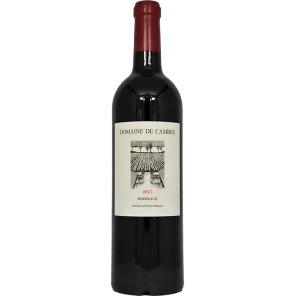
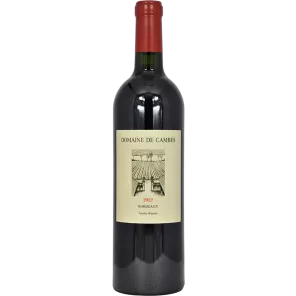
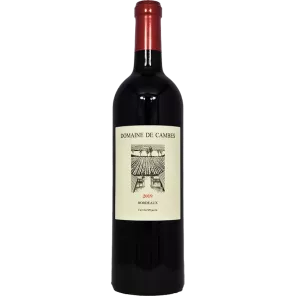
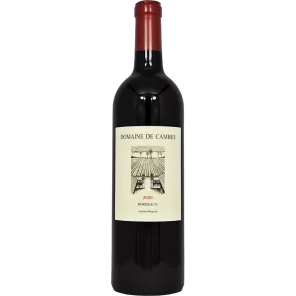
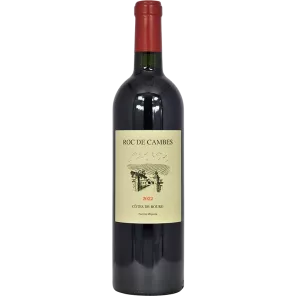
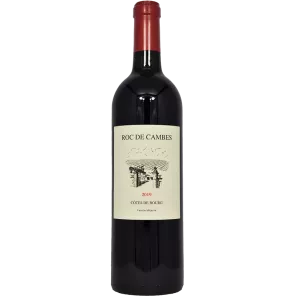
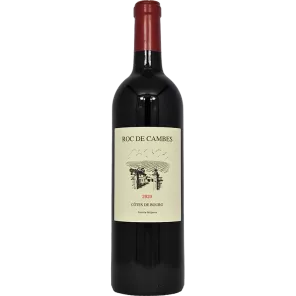
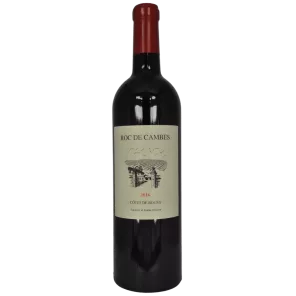
The Mitjavile universe occupies a place of its own. François Mitjavile, a leading figure on the Right Bank, produces the Saint-Émilion Grand Cru Tertre Roteboeuf —a Bordeaux of silky intensity, crafted from very late harvests and restrained extraction. His Château Roc de Cambes, in Côtes de Bourg, has demonstrated that even a modest appellation can produce cellar-worthy wines. The more accessible Domaine de Cambes opens the door to this velvety, deep style.
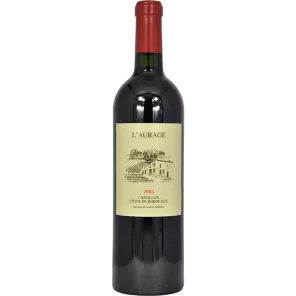
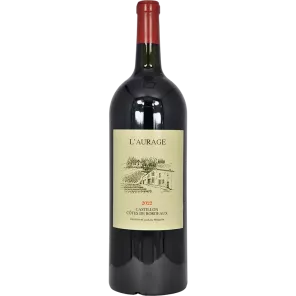
His son, Louis Mitjavile, continues his legacy at L’Aurage, in Castillon Côtes de Bordeaux, with Le Pic du Versant (the selection’s entry-level wine, starting at €18.50) and the L’Aurage cuvée, which offers a completely different level of concentration.
Château Martet, in the still-exclusive Sainte-Foy Côtes de Bordeaux appellation, offers reds (Les Hauts de Martet, Réserve de la Famille) and a white (Réserve de la Famille blanc) at prices that have not yet caught up with the wines’ quality.
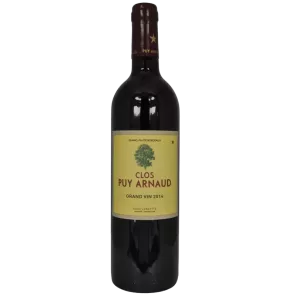
Clos Puy Arnaud, in Castillon Côtes de Bordeaux—cultivated using certified biodynamic methods on the clay-limestone soils of the Belvès plateau—produces a dense, deep red wine, without any pretension.
Castel Vieilh La Salle, in Entre-Deux-Mers, takes this approach a step further by producing wine with no added sulfites. Its 2014 Rouge de notre Terre, straightforward and rich, succeeds in a winemaking process that masks nothing.
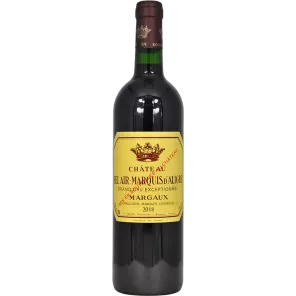
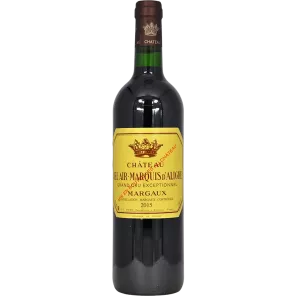
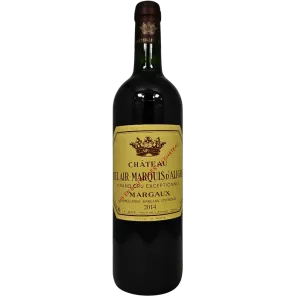
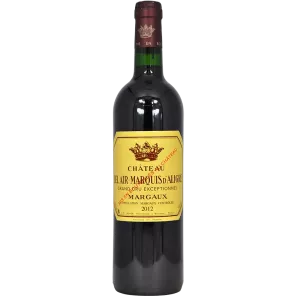
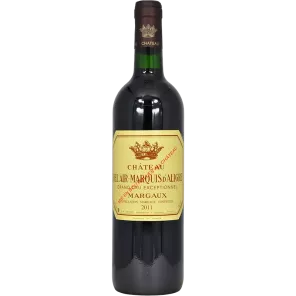
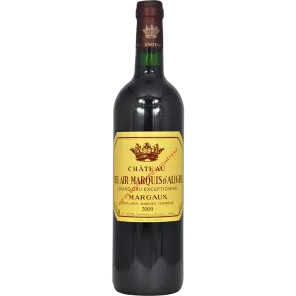
Château Bel Air-Marquis d’Aligre (nicknamed “BAMA” by connoisseurs), in Soussans, is emblematic of the Margaux appellation and of Bordeaux wines aged for a long time in the cellar—sometimes more than 25 years! Its extremely rare vertical tasting from 1995 to 2018 showcases the full artistry of Jean-Pierre Boyer.
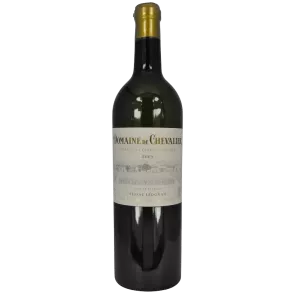
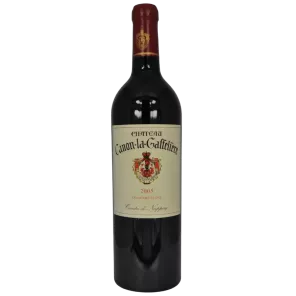
As for the Grands Crus Classés, the selection includes Château Haut-Bailly (Grand Cru Classé de Graves, 2004), Domaine de Chevalier (Pessac-Léognan white, 2005), Château Canon La Gaffelière (1er Grand Cru Classé B of Saint-Émilion, 2005), Château Pape Clément (Pessac-Léognan white, 2005), Château Montrose (Saint-Estèphe Grand Cru Classé, 2000), and a few rare bottles: Château Haut-Brion 2000 (red and white), Château Lafite-Rothschild 2000, Château Latour 2000 (magnum), and Château Mouton Rothschild 2000 (magnum).
Ranging from €18.50 to over €3,000, our selection delivers on the promise of wines that are meaningful, stylish, and evocative.
The Grape Varieties That Define Bordeaux
Bordeaux is the kingdom of blending. Whereas Burgundy produces a single grape variety across a multitude of terroirs, Bordeaux crafts an entire palette. Three red grape varieties form the backbone of Bordeaux red wines , while two white varieties dominate, complemented by a few others.
Merlot, which makes up the vast majority (about 66% of red grape plantings), brings roundness, fruit, and suppleness. It excels on the clay-limestone soils of the Right Bank, in Saint-Émilion, Pomerol, and Castillon Côtes de Bordeaux. Cabernet Sauvignon, the cornerstone of the Left Bank, structures the blend with firm tannins, aromas of blackcurrant and cedar, and a remarkable capacity for aging: it is responsible for a large portion of Bordeaux’s great cellar-worthy wines. It reigns supreme over the deep gravel soils of the Médoc, from Margaux to Pauillac. Cabernet Franc, the third musketeer, brings finesse, freshness, and characteristic floral and herbal notes. It sometimes takes center stage in Saint-Émilion and in certain Castillon cuvées.
Rounding out the blend, Malbec (or Côt) adds roundness, while Petit Verdot deepens the color and contributes lovely spicy notes: two minor grape varieties, but far from merely decorative.
Among the whites, Sauvignon Blanc takes the lead with its liveliness and citrus aromas. Sémillon, rich and golden, serves as a counterpoint to it in both great dry whites and the sweet wines of Sauternes. Muscadelle, more subtle, adds floral and musky touches to certain blends.
The Bordeaux blend is less a recipe than an interpretation: that of the vintage and the terroir, parcel by parcel.
Bordeaux Appellations You Should Know
With more than 60 appellations, Bordeaux can be intimidating. Here are the essential guidelines, organized by subregion.
Left Bank: the Médoc and the Graves
- Haut-Médoc and its six communal appellations (Margaux, Saint-Julien, Pauillac, Saint-Estèphe, Moulis, Listrac): Cabernet Sauvignon-dominant reds that are structured and built for long-term aging.
- Pessac-Léognan: dry reds and whites (among Bordeaux’s greatest whites), grown on well-drained gravel soils.
- Graves: more approachable wines, often offering excellent value for money.
Right Bank: Saint-Émilion and its neighboring areas
- Saint-Émilion Grand Cru: some of the most sought-after wines in the world, grown on limestone plateaus and clay-limestone slopes.
- Pomerol: tiny (less than 800 hectares) and without an official classification, but home to legendary wine estates.
- Fronsac and Canon-Fronsac: Full-bodied, aromatic Merlots at still-reasonable prices.
The Côtes: Bordeaux for connoisseurs
This is where part of Bordeaux’s ongoing revolution is taking place. Discerning winemakers, often certified organic or biodynamic, produce terroir-driven wines at accessible prices.
- Castillon Côtes de Bordeaux: Domaine de L’Aurage, Clos Puy Arnaud
- Côtes de Bourg: Château Roc de Cambes
- Francs Côtes de Bordeaux: Château Le Puy
- Blaye Côtes de Bordeaux
- Sainte-Foy Côtes de Bordeaux: Château Martet
L'Entre-Deux-Mers
Between the Garonne and Dordogne rivers. Lively and aromatic dry whites under its own name, but also reds under the Bordeaux and Bordeaux Supérieur appellations, sometimes biodynamic and without added sulfites, as at Castel Vieilh La Salle.
Bordeaux is not limited to its grand labels: much of its revival is taking place in the Côtes and the Entre-Deux-Mers.
The Bordeaux Grands Crus
The Bordeaux Grand Cru system is a complex structure, built up in layers over the centuries. Understanding it provides a framework for navigating the wine selection: knowing when to follow it, and also when to bypass it.
The 1855 Classification
Established for the Paris World’s Fair, it ranks the Médoc wine estates into five tiers (from Premier Cru Classé to Cinquième Cru Classé) and the Sauternes wine estates into two. There has been only one change since its creation in 1973: the elevation of Château Mouton Rothschild to the rank of Premier Cru Classé.
The five First Growths, landmarks of the global wine world:
- Château Lafite-Rothschild (Pauillac)
- Château Latour (Pauillac)
- Château Mouton Rothschild (Pauillac)
- Château Margaux (Margaux)
- Château Haut-Brion (Pessac-Léognan)
The Graves Classification
Created in 1953 and revised in 1959, it distinguishes between classified growths that produce red wine, white wine, or both. Iconic examples: Château Haut-Bailly (red only), Domaine de Chevalier (red and white), Château Pape Clément.
The Saint-Émilion Classification
Revised approximately every ten years, it distinguishes three levels:
- Premiers Grands Crus Classés A: the top tier
- Premiers Grands Crus Classés B: including Château Canon La Gaffelière
- Grands Crus Classés
Because it is regularly up for review, it fosters constant competition among the wine estates. It also causes some friction.
The great unclassified wines
Beyond these classifications, several unclassified wine estates have earned a reputation equal to—and sometimes superior to—that of certain classified wines:
- François Mitjavile: The Tertre Roteboeuf wines, Saint-Émilion Grand Cru without official classification, command prices comparable to those of First Growths.
- Château Valandraud: a leading figure in the “garage wine” movement, it followed a similar path before entering the classification in 2012.
The classifications offer a useful point of reference, though they never tell the whole story of a bottle. In Bordeaux, as elsewhere, the winemaker’s touch matters just as much in the glass as the wine estate’s ranking.
Questions to Help You Better Understand Bordeaux Wines
Which style of Bordeaux for which occasion?
A smooth red for a weeknight dinner? The Côtes cuvées offer the best balance between character and price. The 2022 Pic du Versant from Domaine de L’Aurage (€18.50) or the 2020 Les Hauts de Martet from Château Martet (€19.50) are best enjoyed young, without any fuss.
A wine with character for a meal with friends? Château Le Puy’s L’Emilien 2022 (€32.40) combines pure fruit and depth, in the highly recognizable biodynamic style of the Amoreau family. Castel Vieilh La Salle’s “Le Rouge de notre Terre” 2014 (€20), vinified without sulfites, surprises with its straightforwardness.
A great wine for a special occasion? François Mitjavile’s Roc de Cambes (starting at €99.60), velvety and dense, holds its own against many grands crus. Château Le Puy’s Barthélémy 2022 (€114.50) offers a more mineral and concentrated expression of the same terroir. For Margaux enthusiasts, the vertical tasting of Château Bel Air-Marquis d’Aligre (starting at €52) allows you to track a wine’s evolution over more than twenty years.
Looking for Magnums and more to mark the occasion? The selection includes magnums (Emilien, Barthélémy, Pic du Versant, L’Aurage, Roc de Cambes, Domaine de Cambes) and a 5L jeroboam of Château Le Puy’s 2022 Emilien (€355), perfect for large gatherings.
A white Bordeaux? We too often forget that Bordeaux produces great dry whites, which are featured among the white wines in this selection. The 2021 Réserve de la Famille white from Château Martet (€52) is a wonderful introduction to this category. For collectors, the 2005 Domaine de Chevalier white and the 2005 Château Pape Clément white from Pessac-Léognan, or the legendary 2000 Château Haut-Brion white, rank among the region’s greatest white wines.
What are some good food and wine pairings with a Bordeaux?
The young, fruity reds from the Côtes (Castillon, Bourg, Sainte-Foy) pair well with grilled meats, duck breast with cherries, a hearty shepherd’s pie, or a platter of Southwestern charcuterie.
Structured reds dominated by Cabernet Sauvignon (Médoc, Margaux, Pauillac, Saint-Estèphe) call for richer dishes: roast rack of lamb with herbs, aged rib of beef, game in sauce, and aged hard cheeses such as an old Comté or an Ossau-Iraty.
The Merlot-dominant reds from the Right Bank (Saint-Émilion, Pomerol)—which are rounder and velvety—pair wonderfully with beef tenderloin en croûte, pan-seared mushrooms with truffles, or a porcini risotto.
Dry whites from Pessac-Léognan or Sainte-Foy pair well with shellfish (grilled lobster, langoustines), fine fish in a creamy sauce, fresh goat cheese, or roasted poultry with citrus.
Bordeaux Left Bank or Right Bank: Which to Choose?
The answer can be summed up in one sentence: the Left Bank for structure and aging potential, the Right Bank for roundness and immediate enjoyment.
The Left Bank (Médoc, Margaux, Pauillac, Saint-Estèphe, Pessac-Léognan) is dominated by Cabernet Sauvignon. Its wines have noticeable tannins when young, a firm structure, and require aging. They fully reveal their character after five to ten years, sometimes longer. This is the Bordeaux you’ll put in your cellar without hesitation.
The Right Bank (Saint-Émilion, Pomerol, Fronsac, Castillon, Bourg) is dominated by Merlot. Its wines are rounder, more velvety, and more immediately appealing. They can be enjoyed young without compromising their potential, though they also age very well in the premier appellations.
Bordeaux represents half a millennium of expertise and 60 appellations: so many doors to open, one bottle at a time.
 en / €
 Contact