Many people know the Beaujolais region for its “vin nouveau” released in November, but it would be a shame to stop there. Between Mâcon and Villefranche-sur-Saône, several generations of artisan winemakers have been cultivating Gamay—a grape variety renowned for its crisp fruitiness—on granite-rich hillsides with extremely steep slopes. With one foot in the northern Rhône Valley and the other in southern Burgundy: that is what makes Beaujolais so unique. Our selection invites you to discover its 10 crus, from Juliénas to the Côtes de Brouilly, including the most iconic: Morgon, Fleurie, and Moulin-à-Vent.
Our Mundovin Selection from Beaujolais
Often organic or biodynamic, the artisan winemakers we champion are located throughout the region, with a concentration around the prestigious Côte du Py:
- Domaine Marcel Lapierre (Morgon): A founding figure of the natural Beaujolais movement, Marcel Lapierre began his winemaking career by taking over the family vineyards in the early 1970s. His meeting with Jules Chauvet in 1981 marked a turning point: he became a pioneer of the organic and natural wine movement. His children, Camille and Mathieu, have carried on his philosophy ever since.
- Jean Foillard (Morgon): A key figure in the Beaujolais revival, he took over the family estate in 1981 and took an early interest in the work of his neighbor, Marcel Lapierre, a disciple of Jules Chauvet. His wines have become benchmarks of the Côte du Py.
- Domaine Louis-Claude Desvignes (Morgon): One of the region’s leading names, whose age-worthy wines—powerful, elegant, and deeply rooted in their terroir—are redefining the standards of Morgon.
- Marc Delienne (Fleurie): A former computer engineer who changed careers after an apprenticeship at Domaine de Trévallon, Marc Delienne took over 14 hectares of vineyards in Fleurie, which he converted to organic farming and then to biodynamic farming in 2016.
- Alex Foillard (Brouilly, Côte de Brouilly): The son of Jean Foillard, he brings glory to southern Beaujolais with his meticulously crafted wines from the Mont Brouilly area.
- Domaine des Pierres Roses (Moulin-à-Vent): In 2008, Thibaut Liger-Belair, an iconic figure of the Côte-de-Nuits, fell in love with the hills of Moulin-à-Vent. Convinced of the potential of these terroirs, he purchased his first Gamay plots there and cultivated them using the same approach as his Burgundian vineyards—first organically, then biodynamically.
Beaujolais at a Glance
A region of single-varietal wines
Spanning nearly 15,000 hectares, the Beaujolais region unfolds its steep slopes between the Rhône River and the southern tip of the Saône-et-Loire department in Burgundy. These slopes, so steep that viticulture here becomes a heroic endeavor, are the ideal terrain for Gamay, a grape variety renowned for its crisp fruitiness, lightness, and naturally generous yield.
Beaujolais is a region where life is good: its semi-continental climate is characterized by harsh but rarely frosty winters, and by hot, dry summers, tempered by the proximity to the Saône and a few rare Mediterranean influences.
From Mâcon in the north to Villefranche-sur-Saône in the south, variations in soil, exposure, and even elevation result in very different wine profiles, but it is above all the terrain that shapes the vineyards. In the north, the sandy soils and granite and schist gravel produce deep, often complex wines suitable for extended aging. To the south, the proximity to the alluvial banks of the Saône provides the vines with a rich sedimentary terroir, which produces fruity and supple wines, generally classified under the regional appellation.
The vibrant fruitiness of Beaujolais wines owes much to carbonic maceration, a technique used by most winemakers in the region. The process involves placing perfectly healthy, whole clusters of grapes into a sealed tank, which is gradually filled with carbon dioxide. Fermentation begins inside each individual berry, which preserves all the aromas of the Gamay grape without extracting too many tannins. It is also this method that makes it possible to produce Beaujolais Nouveau, which goes on sale every third Thursday in November.
What is the origin of Beaujolais?
The Beaujolais vineyards stretch across the granite-rich hillsides bordering the Saône Valley, between Mâcon to the north and Villefranche-sur-Saône to the south. Its winemaking history dates back to Roman times, and it was in the 17th century, with the growth of trade toward Lyon and Paris, that Beaujolais rose to the rank of a recognized wine region in France. The first cru was granted Appellation d’Origine Contrôlée (AOC) status in 1938.
In the 1980s, while Beaujolais Nouveau was enjoying great commercial success, a few winemakers from Morgon—including Marcel Lapierre and Jean Foillard—decided to buck the trend and return to the essentials: the terroir. They drew inspiration from the work of Jules Chauvet, a wine merchant and researcher who inspired the natural wine movement. Their example influenced an entire generation of winemakers, turning Beaujolais into a veritable laboratory for natural wines.
The Grape Varieties of Beaujolais
Did you know: Beaujolais’s two flagship grape varieties share the same parent. Both Gamay and Chardonnay are the result of a spontaneous cross between Pinot Noir and Gouais, a particularly high-yielding white grape variety that was widespread in the Middle Ages but has now virtually disappeared.
Gamay noir à jus blanc is the exclusive red grape variety used in all Beaujolais AOCs. Despite the region’s proximity to and historical influence from Burgundy, Pinot Noir is found here only in very limited quantities and is permitted solely in the regional appellation.
For white wines, Chardonnay is the only grape variety authorized under the Beaujolais and Beaujolais Village appellations. The steep, granitic terroirs and low yields produce lively, mineral-driven white wines here.
The regional appellation also permits rosé wines made from Gamay, blended with a few complementary grape varieties. Fruity and fresh, they are vinified using the saignée method or direct pressing.
The Beaujolais Appellations
Its appellations are organized into three categories:
- AOC Beaujolais and Beaujolais Blanc: the base of the pyramid. In the hands of artisan winemakers, these white, red, and rosé wines emphasize fruit, freshness, and a clear expression of the terroir.
- AOC Beaujolais Villages: produced in 38 communes in the northern part of the region, on some of the steepest granite or volcanic-sedimentary slopes in the area. As the heart of the region’s wine range, offering an unbeatable price-to-pleasure ratio, these white, red, and rosé wines can be enjoyed for their fruitiness when young or with added depth and complexity after a few years of cellaring.
- The 10 crus: the finest expression of Beaujolais red wines. Ten distinct terroirs and just as many distinctive styles, historically recognized for the quality and uniqueness of the wines produced there. From north to south: Saint-Amour, Juliénas, Chénas, Moulin-à-Vent, Fleurie, Chiroubles, Morgon, Régnié, Côte de Brouilly, Brouilly. Each cru forms a small geographical unit with its own unique characteristics.
The 10 Beaujolais crus at Mundovin
Morgon Appellation: Second in size only to Brouilly, this cru illustrates better than any other the potential of Gamay on an exceptional terroir. In Villié-Morgon, a small village perched on the slopes of the Monts du Beaujolais, the soils range from weathered granite to decomposed schist. This crumbly, manganese-rich soil is what makes the famous Côte du Py climat so distinctive; its wines develop characteristic aromas of cherry liqueur or kirsch—in fact, they’re said to “morgonnent.” Gamay also displays a depth of tannins and aging potential that are rare for the region, with some Morgons capable of aging for more than ten years. Among the appellation’s leading producers, Jean Foillard, Louis-Claude Desvignes, and Marcel Lapierre stand out for their exceptional single-vineyard selections.
Fleurie: The most immediately appealing cru, renowned for its delicacy and elegance with floral notes, imparted by its famous pink granite soils. Marc Delienne and Jean Foillard craft remarkable vintages here, restoring a depth to the cru that is sometimes overlooked.
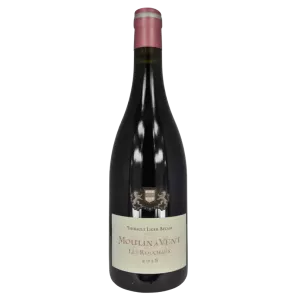
Moulin-à-Vent: The quintessential age-worthy Beaujolais cru, it rivals the greatest Syrahs of the Rhône in intensity and complexity. Don’t look for this village on a map—it simply doesn’t exist: the vineyards stretch across a small hill bordering the village of Romanèche-Thorins, on the border between the Rhône and Saône-et-Loire departments. The cru owes its name to the old stone windmill standing in the center of the vineyard. Its manganese-rich granite soils give the Gamay a palette of ripe fruits and spices, paired with a characteristic tannic structure suited to long aging in the cellar. A true wine for aging! While the Thillardon estate confirms the appellation’s potential vintage after vintage, Thibault Liger-Belair crafts exceptional single-vineyard cuvées here.
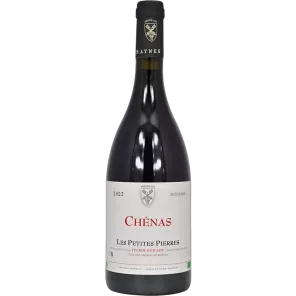
Chénas: the smallest of the crus in terms of area. Its granite and sandy slopes produce wines of singular finesse—both delicate and structured—well-suited for long-term aging. In the Mundovin selection, the Thillardon family and Clos des Vignes du Maynes offer top-tier single-vineyard versions.
Brouilly and Côte de Brouilly: situated around Mont Brouilly, a volcanic peak in the southern part of the region, these two appellations stretch across blue granite soils. While Brouilly wines are supple and easy-drinking, the Côte de Brouilly gains in altitude and minerality, which gives its wines a structure well-suited for aging. Alex Foillard and Château Cambon produce cuvées here with remarkable aromatic clarity.
Régnié: the youngest of the crus (recognized in 1988). On these sandy terroirs near Morgon and Brouilly, Gamay produces aromatic wines with fine, supple tannins, marked by cherry notes and a lovely, lingering finish of red fruit. Don’t miss: Antoine Sunier’s single-vineyard wines.
How to taste and pair Beaujolais wines?
Serving temperature can completely alter Gamay’s aromatic profile, either masking its complexity or, conversely, bringing it out. Here are some guidelines for serving it properly:
- for Beaujolais and Beaujolais Villages: between 14°C and 16°C;
- for Crus: around 16°C, with 30 minutes to an hour of decanting when the wine is young.
When it comes to food and wine pairings, Beaujolais is among the most versatile reds. Regional appellations and certain Régnié wines pair well with Lyon-style charcuterie, roasted poultry, and soft cheeses. More structured Crus such as Morgon, Moulin-à-Vent, and Chénas are excellent choices for gourmet pairings and rich dishes: game, mushrooms, lamb, duck, and roasted winter vegetables...
White wines pair remarkably well with grilled fish, shellfish, and fresh goat cheese.
In terms of aging potential, generic Beaujolais wines are best enjoyed within two to three years. The crus can be cellared and develop greater complexity over 8 to 12 years.
How to Choose a Beaujolais Wine?
Here are a few guidelines to help you navigate our selection:
- A light, fruity wine to drink young: opt for a Beaujolais or a Beaujolais Villages. The wines from Marcel Lapierre and Alex Foillard are an ideal place to start.
- Discovering the crus: Start with a Fleurie, a Brouilly, or a Régnié—which are more approachable when young—before exploring a Morgon or a Moulin-à-Vent.
- A wine for aging or a truly exceptional wine: look for single-vineyard wines from Jean Foillard, Louis-Claude Desvignes, Marcel Lapierre, or Thibault Liger-Belair.
- A gift: a Morgon Côte du Py, a Moulin-à-Vent, or a Fleurie from a prestigious estate are all safe choices, offering both a lovely character when young and promising aging potential for those willing to wait.
Buy Beaujolais wine at Mundovin
Our selection of Beaujolais wines is available for purchase online, with home delivery in France and throughout Europe. Each wine is carefully selected and tasted by our experts.
Frequently Asked Questions About Beaujolais Wines
What is Beaujolais Nouveau?
Beaujolais Nouveau is a young wine released on the third Thursday of November in the year of the harvest. Its production using short carbonic maceration results in a young, very fruity wine with low tannins, particularly renowned for its notes of cherry, banana, or English-style candy—aromas produced by the yeasts added during winemaking. Intended to be enjoyed in the weeks following bottling, it is a wine for celebration and immediate sharing—distinct from the Mundovin selection, which focuses on Beaujolais crus and wines meant for aging.
How long does a Beaujolais wine keep?
Generic Beaujolais wines can be cellared for two to three years and are especially appreciated for their fruitiness and lightness when young. Beaujolais Villages can age for 3 to 5 years. The crus—notably Morgon, Moulin-à-Vent, and Fleurie—age well and develop greater complexity over 8 to 12 years under the right conditions.
A Word from Mundovin
The revival of Beaujolais has been underway for some thirty years. The generation of winemakers that Mundovin champions is the driving force behind this: organic and biodynamic farming, a terroir-by-terroir approach to Gamay, and a renewed sense of ambition for each cru. Far from the clichés, Beaujolais is a region of age-worthy wines, fine dining, and pure pleasure!
 en / €
 Contact